Mark Flynn
Choose Me and You will be Home Free.
With me YOU get:
- Negotiating Skills.
- Latest Internet Technology.
- Video Marketing.
- Local Market Knowledge.
- Instant Communication.
My real estate business is built on referrals. Since my primary source of new business is referrals from people who know and trust me, I don’t have to spend time prospecting or waiting for "floor calls" at the office. Instead, I use that time to dedicate myself to activities that benefit my clients most, and strive to deliver excellent service.
Working by referral is all about trust. Why do people refer? Because everybody has a built-in desire to share something good with their friends and family. And let’s face it, when we are seeking any service we are all looking for someone we can trust. Someone proven who comes highly recommended and is already on our side.
Confidence: That's what you get with Century 21.
Results: That's what you get with me.

 Join me in a excellent Real Estate experience.
Sincerely, Mark Flynn
Join me in a excellent Real Estate experience.
Sincerely, Mark Flynn Sincerely, Mark Flynn
Real Estate Broker
Century 21
JC Jones AMERICAN DREAM
w: 541-476-6502 ext 119
c: 541-441-3099
My Listings
Search all my property listings
Featured Property
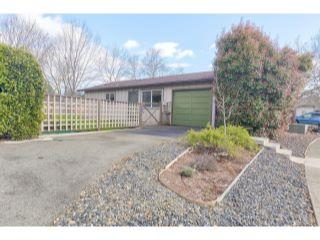
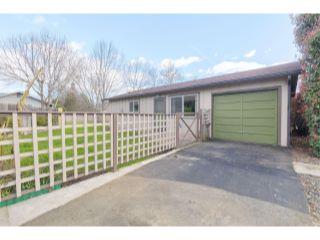
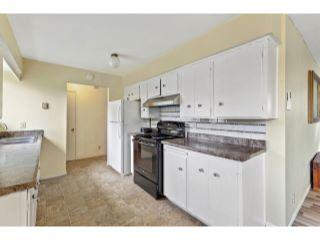
$274,000
Service Areas
Mark’s good local Real Estate knowledge will produce positive results for You.
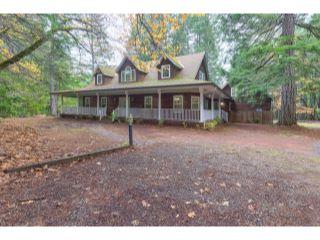 $555,000
• Cave Junction, OR
$555,000
• Cave Junction, OR
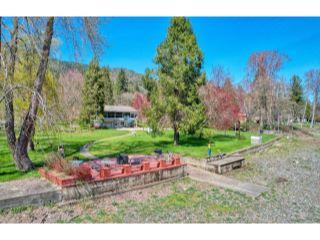 $799,000
• Grants Pass, OR
$799,000
• Grants Pass, OR
